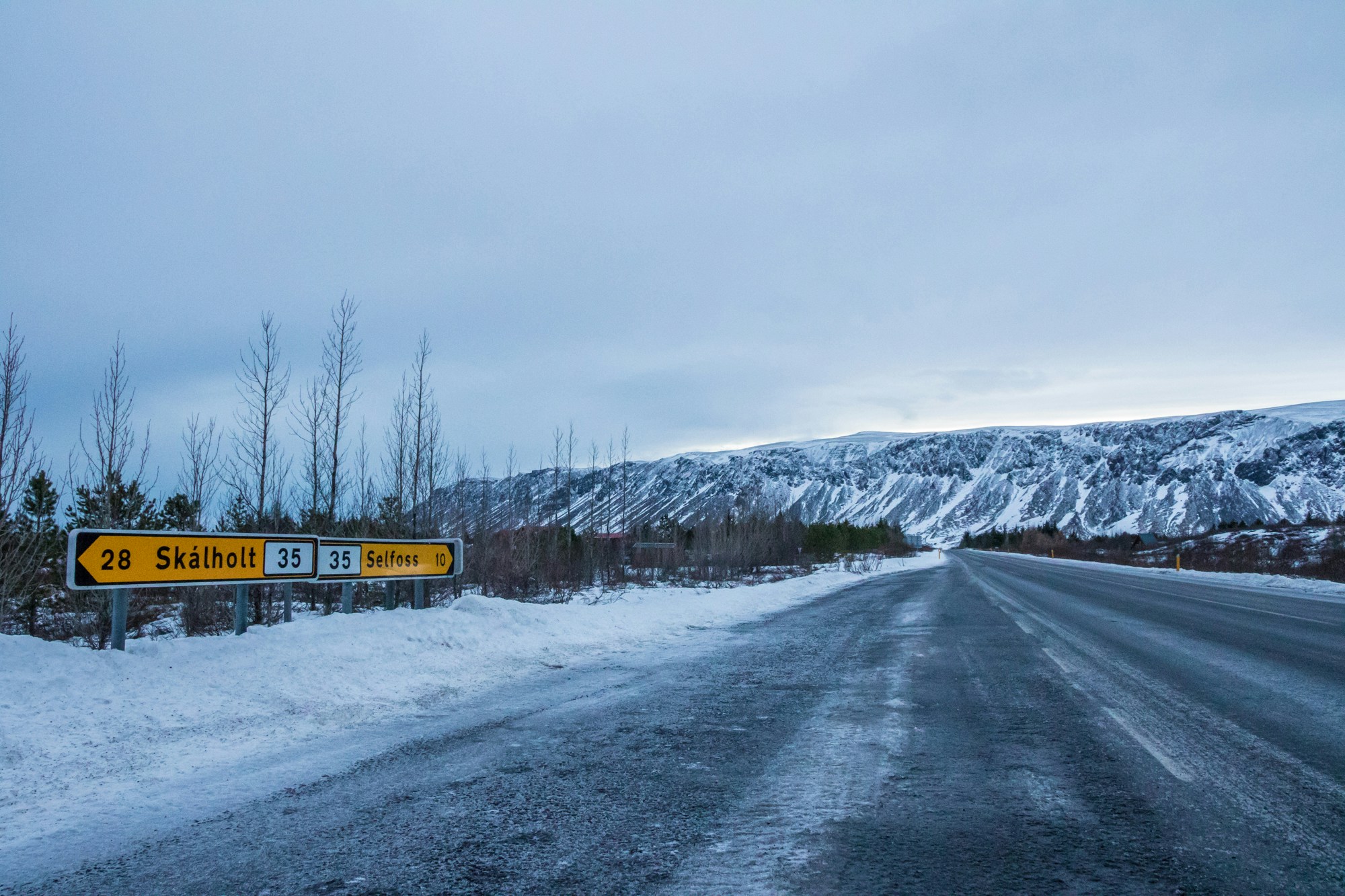
Introduction to Iceland’s South Coast
The South Coast of Iceland presents a breathtaking array of natural wonders, characterized by its distinctive geography and captivating landscapes. This region, renowned for its dramatic cliffs, cascading waterfalls, and black sand beaches, has become a must-visit destination for nature enthusiasts and travelers alike. Among the standout attractions, the Glacier Lagoon and Diamond Beach showcase the very essence of Iceland’s unique allure. The Glacier Lagoon, with its floating icebergs, offers a glimpse into the mesmerizing beauty of glacial formations, while nearby Diamond Beach dazzles visitors with its sparkling ice chunks glistening against the contrasting black sands.
Opting for a private tour allows visitors to escape the crowded bus tours, offering a more intimate experience with the breathtaking scenery. Such a personalized approach not only enhances the opportunity to engage with the natural elements but also provides ample time to absorb the striking surroundings. Travelers can relish the solitude of these stunning landscapes, capturing moments that can be both personal and profound. The South Coast embodies a rich tapestry of natural phenomena, from the tranquil beauty of glacial tongues to the rugged coastlines shaped by powerful ocean waves.
The geography of the area features stark contrasts, where lush green valleys juxtapose against towering glaciers. This diversity is further enriched by the region’s climate, which, while often unpredictable, contributes to the ever-changing beauty of Iceland’s landscape. Additionally, the cultural significance of this area is profound, with numerous sagas and stories rooted in its breathtaking terrain. As one journeys along the South Coast, the elements of nature intertwine with Icelandic heritage, crafting a narrative that is as captivating as the sights themselves.
Exploring Jökulsárlón Glacier Lagoon
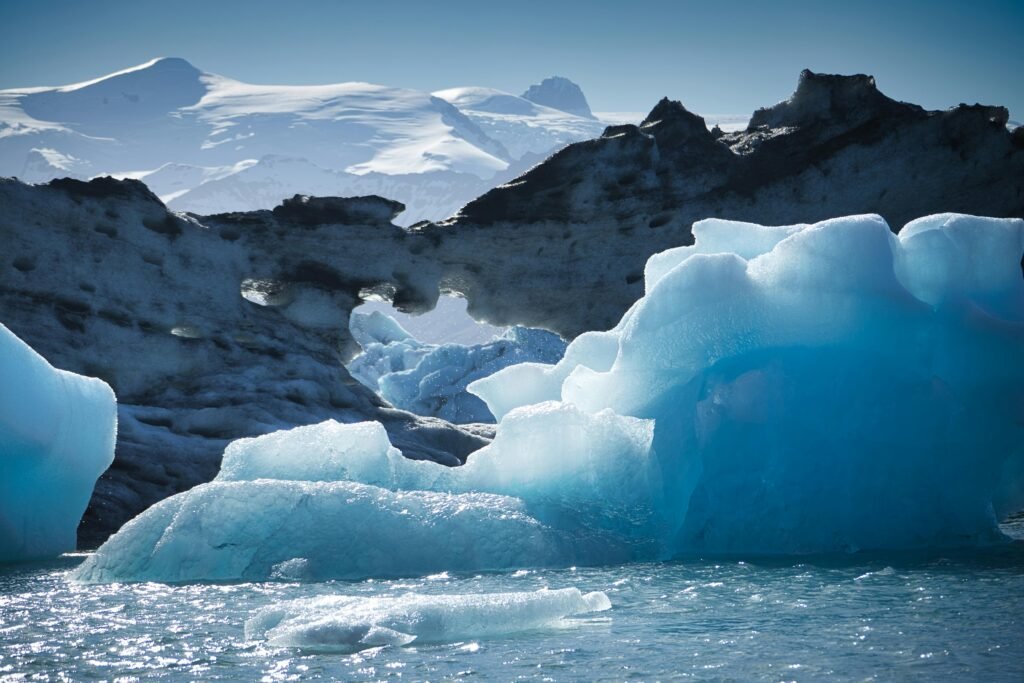
Jökulsárlón Glacier Lagoon is a breathtaking natural wonder situated in the southeast of Iceland, formed by the melting of the Vatnajökull glacier, which is one of the largest ice caps in Europe. This stunning lagoon has become renowned for its surreal beauty and constantly changing scenery, as giant icebergs break off from the glacier and drift majestically on the water’s surface. The striking contrast of the vivid blue ice against the dark waters creates an otherworldly atmosphere that captivates the hearts of visitors.
The icebergs that float in Jökulsárlón not only provide a spectacle for onlookers but also play a significant role in the geological landscape of the region. Over time, these ice formations gradually make their way to the ocean through a short river, culminating in a picturesque scene where ice fragments arrive at the nearby Diamond Beach, shimmering like jewels on the black sand. This magical interplay between land and sea offers numerous opportunities for photographers and nature enthusiasts alike, inspiring a deeper appreciation for the raw beauty of Iceland’s wilderness.
For those seeking a more intimate experience with this natural wonder, timing your visit can greatly enhance the experience. Early morning or late afternoon are ideal for avoiding the crowds and capturing the serene ambiance without disturbances. During these times, the soft light beautifully illuminates the icebergs, resulting in glowing photographs that evoke the untouched spirit of the Icelandic landscape. Whether you are capturing stunning images or simply immersing yourself in the tranquility of Jökulsárlón Glacier Lagoon, the experience is sure to leave a lasting impression.
Visiting Black Sand Beaches and Dramatic Coastlines
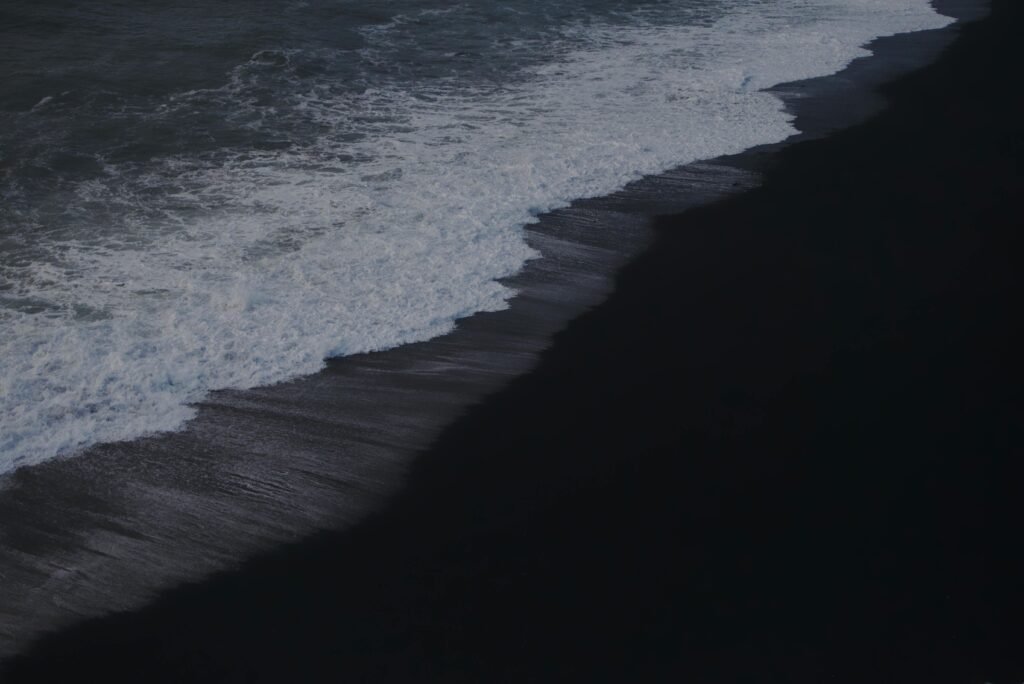
Iceland is renowned for its extraordinary natural beauty, and the iconic black sand beaches such as Reynisfjara and Fellsfjara exemplify this uniqueness. The black sands, formed from volcanic activity and the remnants of eroded basalt, provide a striking backdrop against the powerful Atlantic waves which crash against them. This stark contrast between the dark landscape and the bright ice fragments that occasionally wash ashore from the nearby Glacier Lagoon creates a breathtaking vista, capturing the essence of Iceland’s otherworldly charm.
Reynisfjara, situated near the town of Vik, is perhaps the most famous of these black sand beaches. It features dramatic basalt columns known as Reynisdrangar, which are said to be trolls turned to stone. The beach’s rolling waves and the presence of seabirds, including puffins during breeding season, further enhance its appeal. Visitors often find themselves captivated not only by the beach’s scenic allure but also by the geological significance these formations represent. The combination of powerful ocean currents and volcanic rock creates an ever-changing landscape that is both beautiful and formidable.
Fellsfjara, though less frequented, offers a similar experience with its distinct black sands and breathtaking coastal scenery. The beach’s secluded nature allows visitors to immerse themselves in the serene environment, making it an ideal location for contemplation and photography. As one explores these coastal landscapes, it becomes apparent that they are shaped not only by natural forces but also by cultural stories and folklore steeped in Icelandic history. Tales of Norse mythology and local legends breathe life into the experience, enhancing appreciation of the dramatic coastlines that characterize this incredible country.
The Magnificence of Icelandic Waterfalls
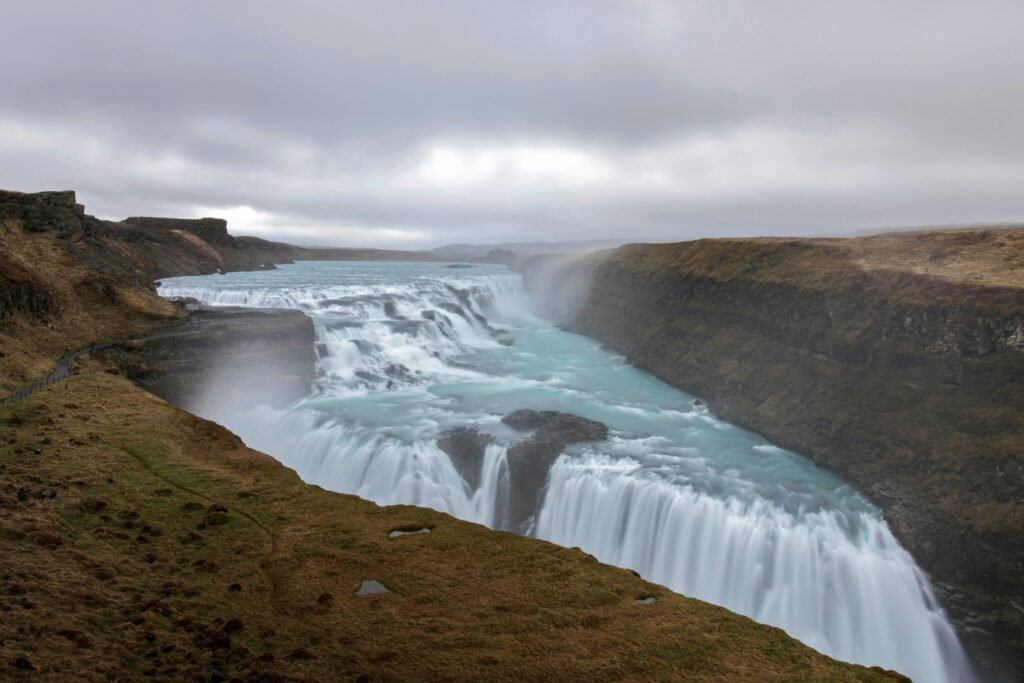
Iceland is renowned for its stunning landscapes, and among its most remarkable features are the majestic waterfalls that cascade down the rugged terrain of the South Coast. Two of the most iconic waterfalls in this region are Skógafoss and Seljalandsfoss, which attract visitors from around the globe. Each waterfall offers a unique experience, immersing travelers in the awe-inspiring beauty of Iceland’s natural wonders.
Skógafoss, with its powerful 60-meter drop, is not only one of Iceland’s largest waterfalls but also a spectacle of nature that commands attention. As you approach Skógafoss, the roaring water creates a mesmerizing sound that builds excitement. On sunny days, rainbows often form in the mist, providing a picturesque backdrop for photography enthusiasts. Visitors can climb the staircase alongside the waterfall, allowing them to capture breathtaking views from above, where the expansive landscape unfolds in every direction.
In contrast, Seljalandsfoss is famous for its unique feature — the opportunity to walk behind the waterfall. This close proximity to the cascading water offers an intimate experience that is rare worldwide. As you embark on this journey, prepare to get wet, as the spray envelops you, enhancing the sensory experience. The view from behind Seljalandsfoss provides a striking perspective, revealing the surrounding lush greenery and the vast Icelandic sky. To fully enjoy these natural wonders, wear sturdy shoes and bring waterproof clothing, ensuring comfort and protection as you explore.
A private tour offers the convenience of visiting these stunning waterfalls at your own pace. Unlike group tours, which may limit your time at each site, a private experience allows you to linger, take in the sights, and appreciate the sheer power of Icelandic waterfalls fully. With the right preparation, your journey to Skógafoss and Seljalandsfoss can become an unforgettable highlight of your Iceland adventure.
5-Day West Iceland, Ice Cave and South Iceland from Reykjavik
Glacier Lagoon and Diamond Beach Guided Day Trip from Reykjavik
Diamond Beach & Jökulsárlón Floating Glacier Guided Day Tour